White Tin PCB: What the Name Means
White tin is a common descriptive name for immersion tin. The useful engineering question is which finish is specified, how it will be assembled and what evidence supports its acceptance.
Finish color is not solder mask color
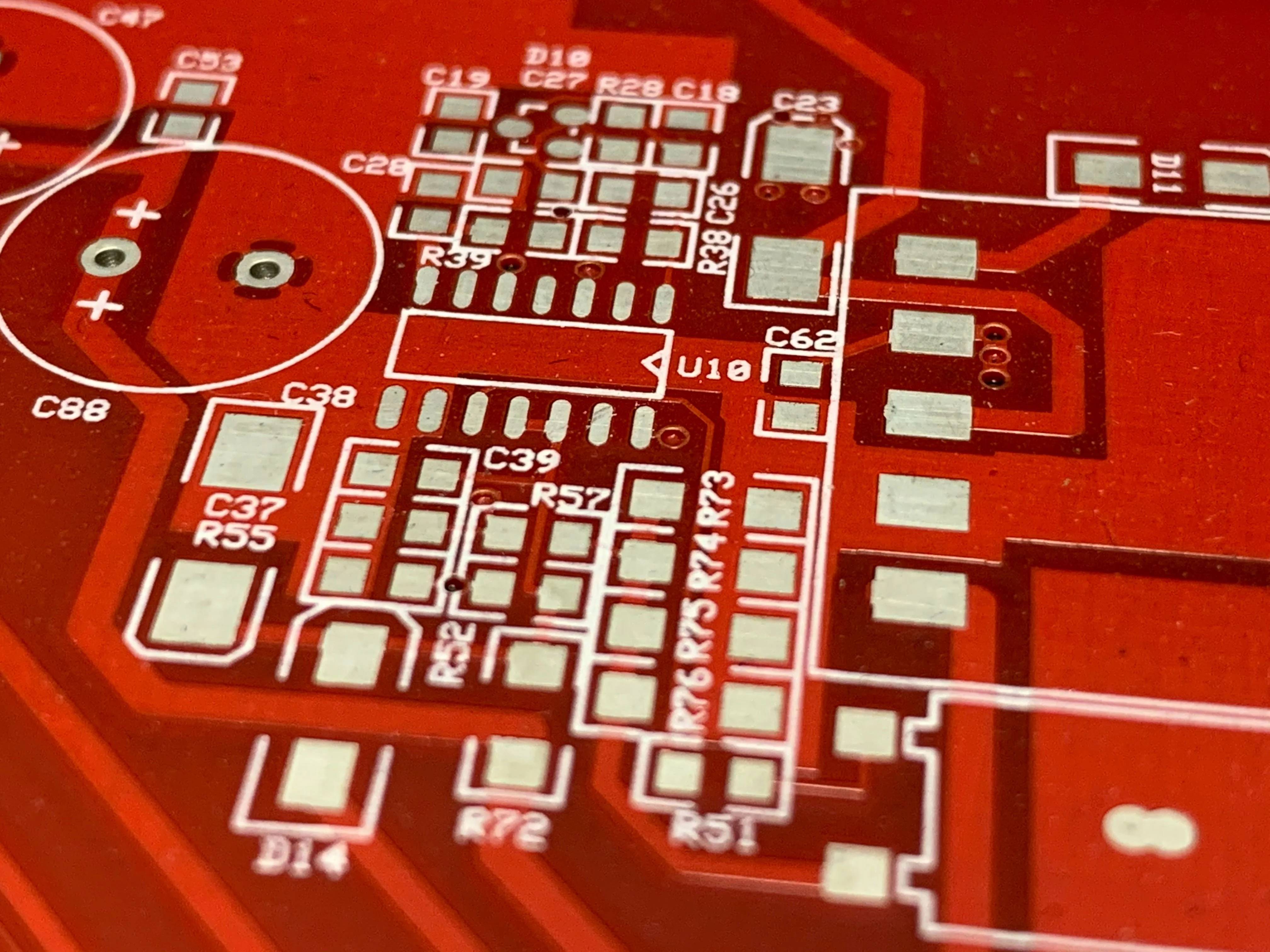
A PCB can have a red, blue, green or other solder mask while its exposed lands carry a metallic surface finish. These are separate manufacturing choices. White tin does not require white solder mask, and a white solder mask board does not necessarily use tin.
When requesting a quotation, write “immersion tin surface finish” and specify solder mask color separately. A clear drawing avoids confusion between the finish on exposed copper and the coating that insulates the remaining surface. See the immersion tin PCB guide for the underlying finish decision.
Visual inspection can reveal discoloration, contamination or handling damage, but appearance alone cannot confirm composition, thickness or solderability. If a legacy drawing only says “white finish,” seek clarification instead of treating the phrase as a complete purchase requirement.
Turn a trade name into a purchase specification
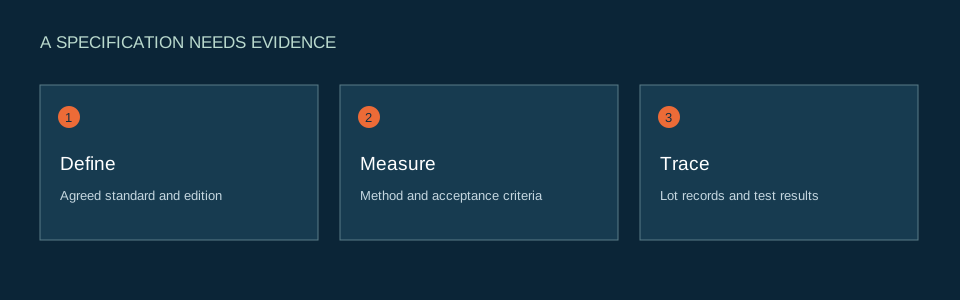
A useful finish note identifies the process, agreed standard and revision, required inspection and any assembly constraints. If a supplier uses a proprietary chemistry, ask how its process meets the agreed specification. Brand names and generic finish names answer different questions.
Keep the finish note consistent across the fabrication drawing, purchase order and approved supplier documentation. Where documents conflict, resolve the precedence before manufacturing. “Equivalent finish acceptable” can unintentionally permit a process that has not been evaluated for the assembly.
For an existing product, changing from one finish to another may affect assembly validation. Record the reason for the change, the expected benefit and the tests needed to establish acceptability. Review quality evidence and standards before releasing the change.
Prepare a board-specific inquiry
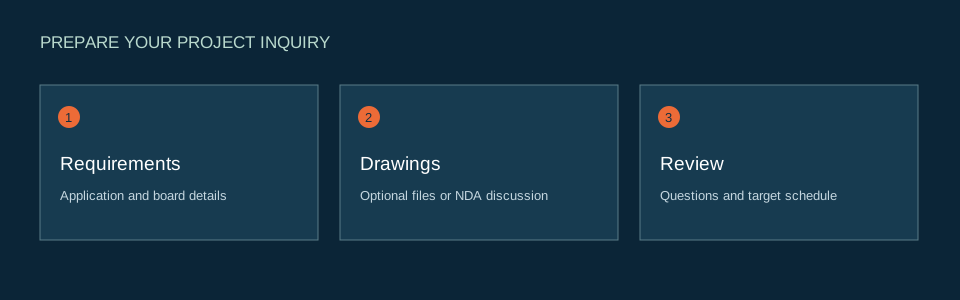
Tell us what the board does, the quantity, board construction, assembly sequence and expected storage period. If the term white tin came from an old drawing, include that context. A photograph can support the conversation but should not be the sole basis for identifying the existing finish.
You can request a review without uploading drawings. If you prefer an NDA before sharing detailed files, identify that requirement in the inquiry. The application guide can help organize questions about thermal cycling, connectors and service conditions.
Apply this to your PCB project
Share your design constraints, assembly sequence and finish questions. Drawings are optional.
Request a technical review ↗